
Delhi Township Previous Residents Sources
Previous residents research has an era problem: current property systems, recorded instruments, city directories, census schedules, and township files do not cover the same years or describe the same relationship. Start with the current parcel so the address has a stable legal description, then choose the next source by date. Hamilton County has a useful mix of online, library, terminal, microfilm, and request channels.
| Source | Years it covers | Where held | What it can show |
|---|---|---|---|
| Recorder deed books and index | Earliest deeds about 1788 forward; mixed formats through 1988 | Recorder, Acclaim, book/page, microfilm, FamilySearch | Recorded transfers, indexed parties, legal-description trail |
| Auditor parcel and transfers | Current county property system, older depth varies | Hamilton County Auditor wEdge | Parcel, situs, legal description, transfer context |
| City and county directories | Cincinnati begins 1819; county runs vary by title | CHPL and HCGS holdings | Dated street or household context |
| Federal census | 1790 through 1950 public range | National Archives and CHPL | Dated historic household snapshot |
| Zoning or subdivision record | Defined township file and date range | Delhi Planning & Zoning request route | Application, review, or approval context |
A parcel owner and a directory household are not interchangeable. The property trail records land interests. A directory or census entry can add historical address context for a stated date. Keep the source title, year, page or image, and access date with every conclusion.
Access also depends on the source. The Recorder provides free index and available-image access, while historic material may require microfilm, a terminal, or a library visit. CHPL offers research help and local collections. A defined township file can be requested under Ohio public-records law. Presenting these channels together matters when a portal stops at a book/page reference or a directory scan needs an image check.
Delhi Township Address History by Era
Hamilton County Recorder guidance supplies the most important era break. Name searching is generally adequate from 1988 forward. Before mid-1988, older transfers require grantor and grantee index work to reach a book and page. Deed Books 21 through 4144 span 1823 through 1988, but the access route changes: books 21 through 237, covering 1823 through 1857, are online; other intervals use microfilm, FamilySearch, or Recorder terminal and book-page work.
For an older Delhi Township address, do not stop at a modern name result. The earliest deeds use an A through W2 arrangement around 1788 through 1823. A completed land trail may pass from a current wEdge card to an Acclaim reference, then to a historic index and finally to a book image. That change in method is expected, not a failure.
The Recorder's historic grantor and grantee index is the entry point for that older book-and-page method.
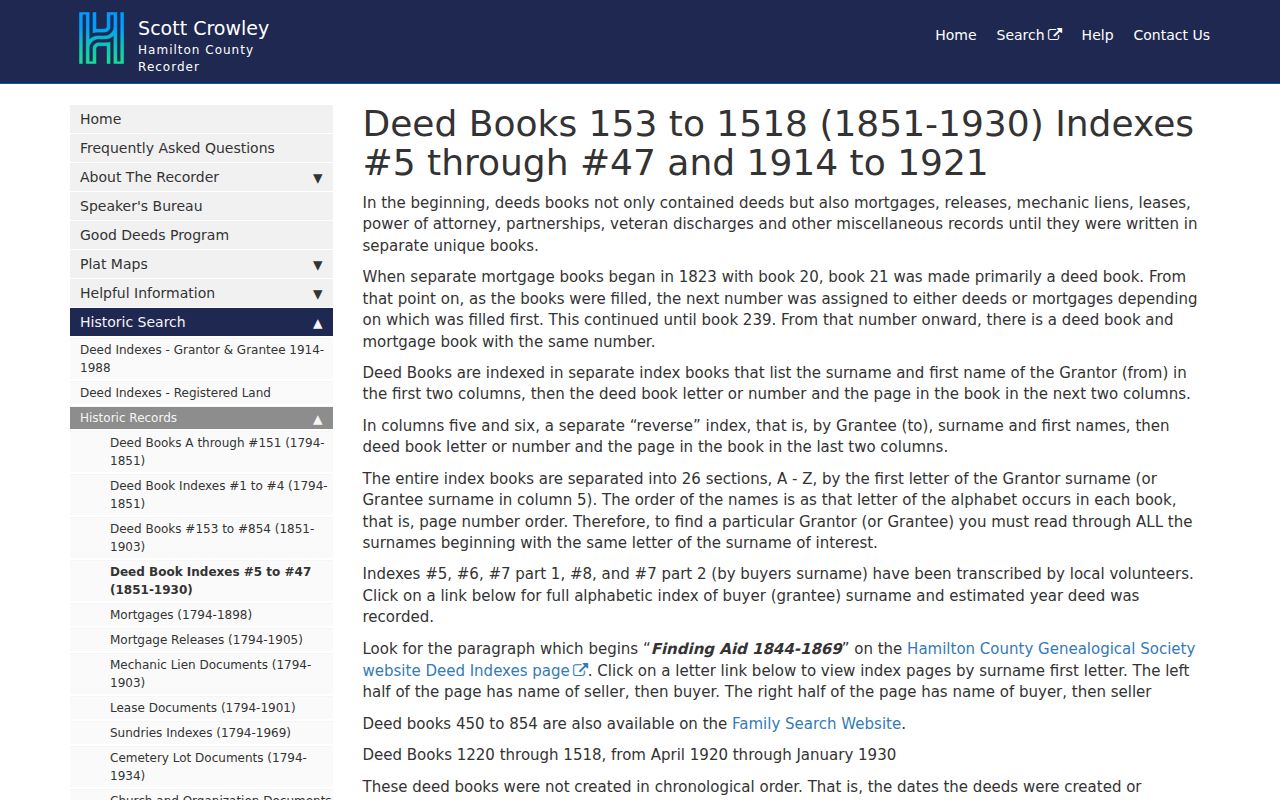
The historic index is a finding tool. Confirm the resulting book/page and the matching legal description before treating it as the same address trail.
Delhi Township Previous Residents in Deed Trails
The deed chain starts with the current parcel, not a broad surname search. In Hamilton County Auditor wEdge, preserve the parcel ID, situs address, legal description, transfer date, and any document reference. In Recorder Acclaim, try the Auditor number, then the document number or a limited date and document-type search. A deed chain is a sequence of recorded transfers, not a complete occupancy history.
- Open the property card and write down the legal description with the parcel number.
- Locate the current acquisition or transfer in Acclaim using the parcel or document lead.
- Read the indexed seller and buyer with the recording date, instrument number, and legal description.
- Search the earlier seller as a grantee to find that party's own acquisition.
- Repeat only while the legal description or lot remains consistent, then switch to historic book/page tools for older records.
- Grantor
- The party transferring an interest in a recorded instrument.
- Grantee
- The party receiving that recorded interest. In a backward chain, that party may be the prior grantor.
- Chain of title
- A sequence of recorded land transfers tied together by legal-description confirmation, not a legal opinion on ownership.
- Legal description
- The recorded lot, subdivision, or boundary wording that often survives when street forms change.
Delhi Township Address Record Gaps
The March 1884 Hamilton County courthouse fire damaged deed books. Some volumes were copied or reconstructed, and a historical trail can contain notes about damaged or destroyed pages. That is a local records-history fact, not evidence that an address had no earlier record. January 1 can also appear as a filler date, while scans may be offset by one or two pages from an expected page number.
Check the Recorder's deed-book guidance before settling on a gap. A precise book/page can lead to an online image, microfilm, a library route, FamilySearch availability, or a Recorder terminal. Citation quality matters most when records were preserved in more than one format.
Recorder information about the Acclaim launch documents the modern search environment while older records continue to follow their original preservation formats.
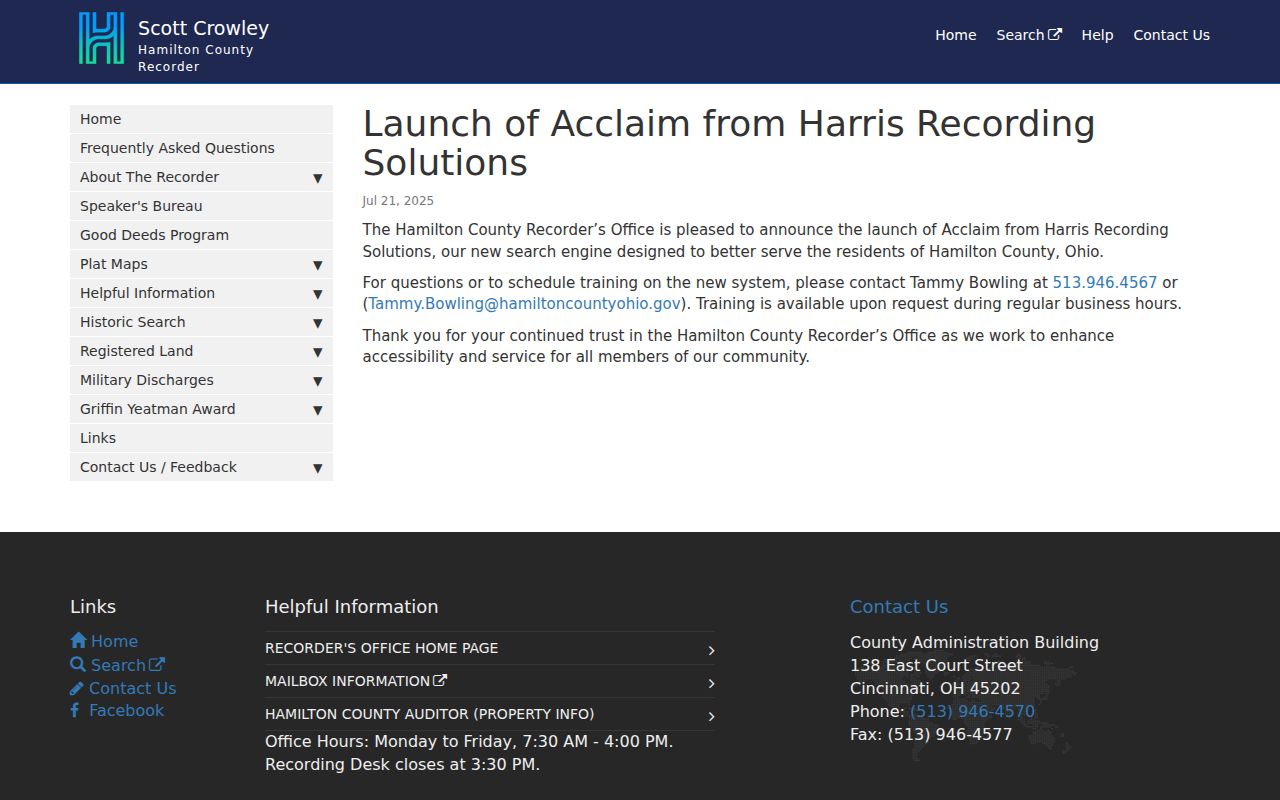
Modern access does not remove the need for historic index and book-page research when a Delhi Township address trail crosses the pre-1988 line.
Delhi Township Past Households in Directories
Historic directories put a date on an address. The Cincinnati and Hamilton County Public Library has genealogy and local-history services, directories, maps, newspapers, census microfilm, and a house-history workflow. Cincinnati directories begin in 1819. Hamilton County directory holdings include several county runs from 1887 through 1911/12, plus a 1939/40 county-outside-city clue. Always identify the volume and its geographic coverage before calling an entry Delhi Township.
Pair directory years with federal census access through 1950. A directory street guide can place an address in a year, while an alphabetical entry may name a householder or business. A census is a dated historic household snapshot. Neither should be projected forward. Compare the directory page image, address form, map or legal description, and census date before linking entries together.
The collections themselves are described on the Delhi Township city directory page. The backward-trail use is simpler: record a dated address entry, compare it with the deed sequence, and note where evidence conflicts.
CHPL's house-history research guide connects directories, property records, maps, and newspapers for an address inquiry.
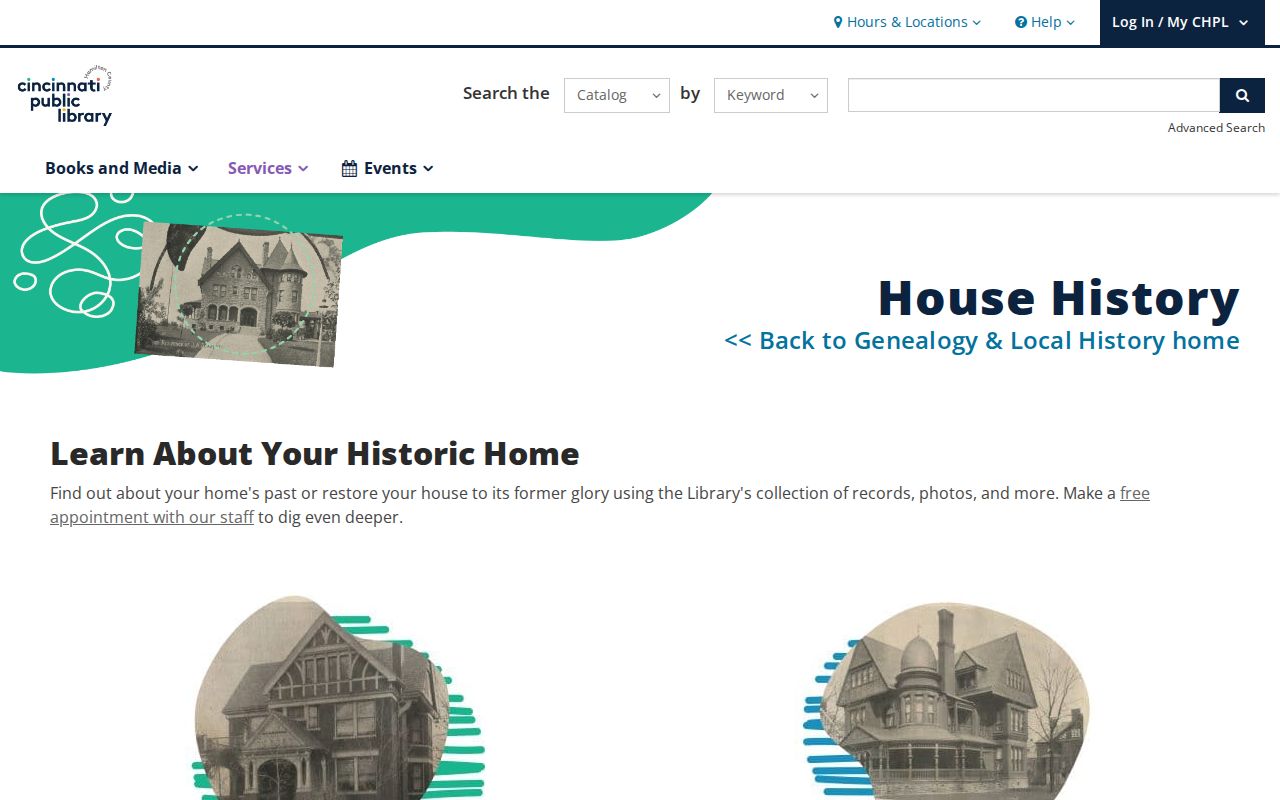
The library workflow favors several dated sources over a single name or address result.
Hamilton County Recorder office information supplies the official route when an older image or book-page check needs custodian help.
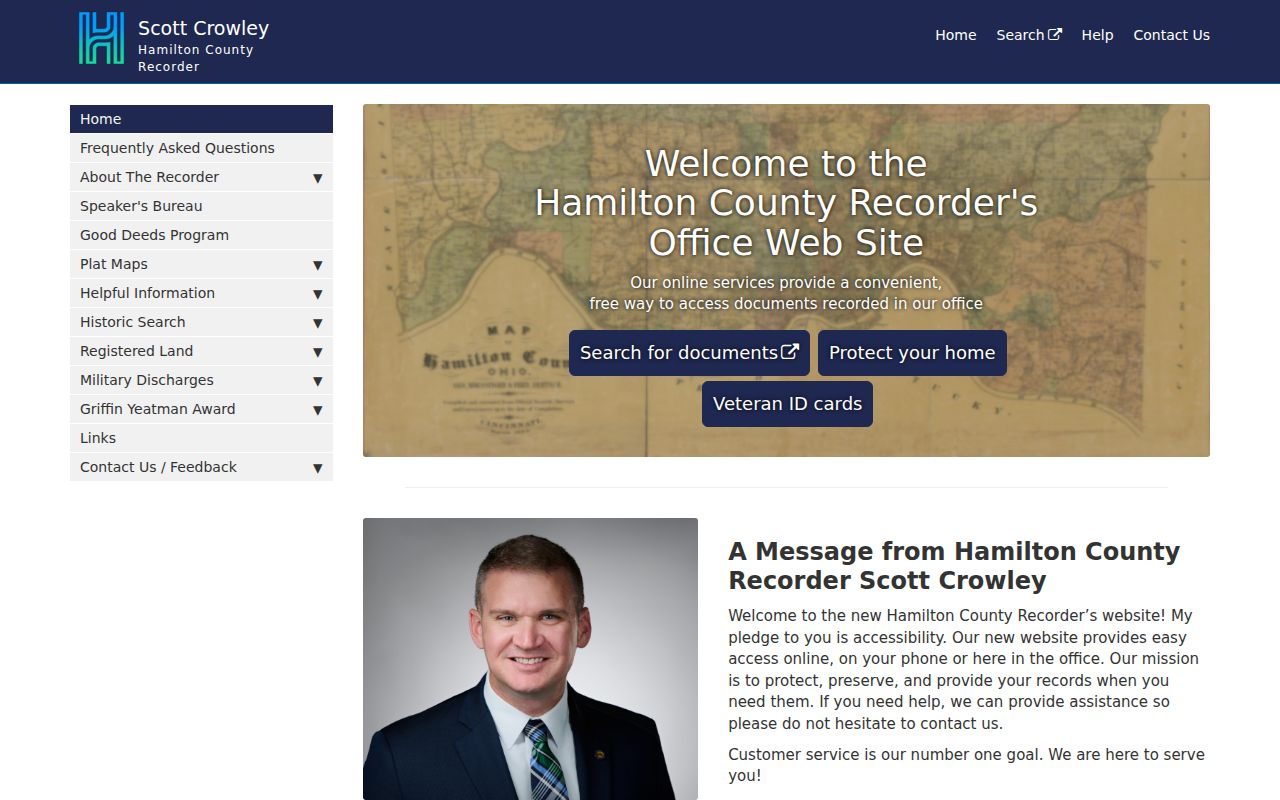
Use the Recorder for a defined document or book/page question, not for a request to assemble a personal history.
Delhi Township Address History Clues
Some address records help date a structure or tract without identifying a former household. Delhi Planning & Zoning accepts zoning-certificate applications and subdivision-review materials. A defined request for a public certificate, plat, or review record by address and date range can identify a proposal, approval, lot split, or related project. The applicant role and work description do not establish occupancy, and a proposed project is not proof of completion.
For a family-history endpoint, use probate and library materials with the same restraint. Hamilton County Probate has a separate record search, with case index from 1974, dockets from 1993, documents from 2000, and bride/groom marriage alpha indexes from 1984. Earlier coverage varies by series. An estate or obituary can help establish a dated record trail, but it does not establish a person's current location.
CHPL and the Delhi Historical Society can add local context from newspapers, maps, farm and school history, photographs, and genealogy materials. Their value is in testing a dated address against a locally held source. It does not turn community history into proof that a particular person lived at a location.
Note: A narrow Ohio Public Records Act request should name the address, record type, date span, and format needed rather than ask for a broad historical profile.
Delhi Township Recorded Filing Alerts
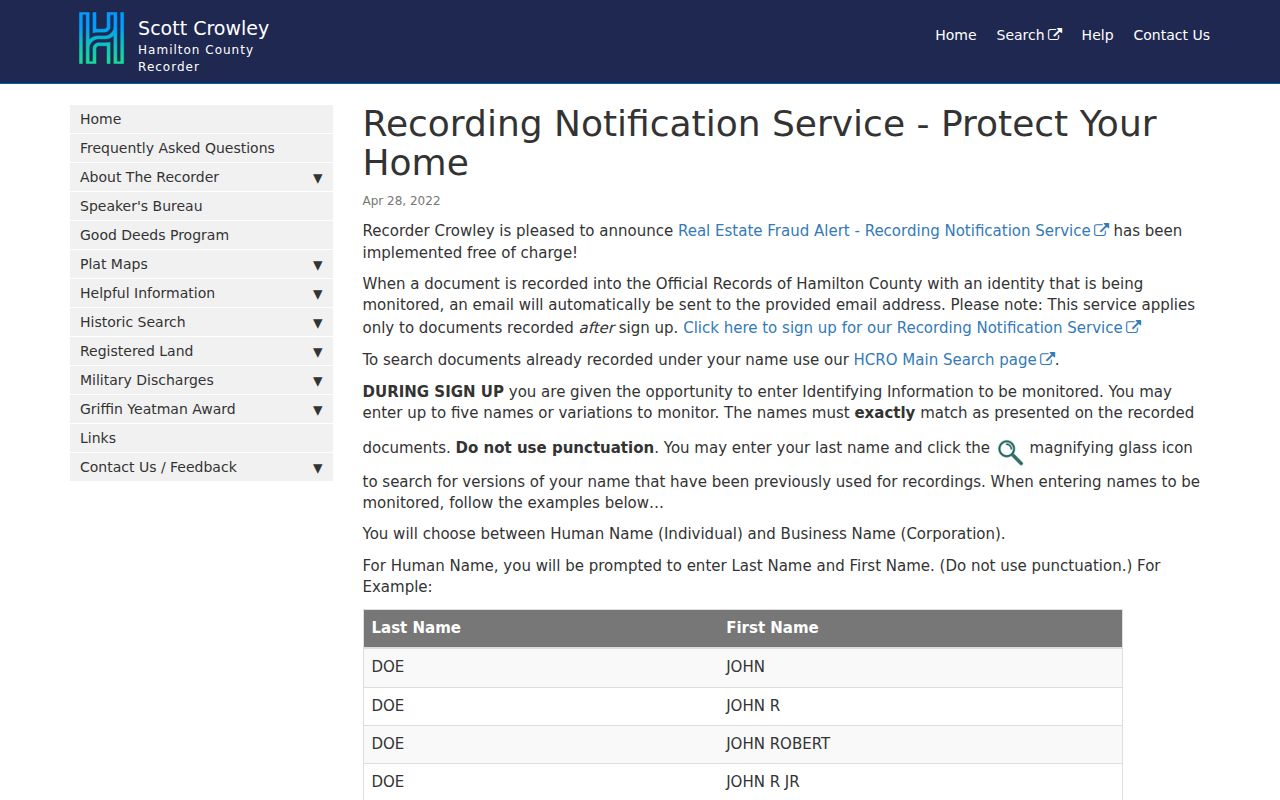
A newly recorded document can be checked through Acclaim and the parcel context in wEdge. The Recorder also offers a free Recording Notification Service with up to five exact-match name variations per email. It is a notification tool after enrollment. It does not stop a filing, resolve a title issue, or prove that a name is tied to a Delhi Township address.
The Recorder's notification-service page explains the official alert route and its limits.
For historical work, a recorded alert is only a current starting point. Older book/page, directory, and census sources still supply the backward trail.
Limits on Delhi Township Address History
Researching who lived here before is best kept to house history, genealogy, estate questions, and civic history. A property owner may not have lived at the address. A mailing address may point elsewhere. Directory and census results are dated, incomplete, and tied to their source year. Do not use a historical address trail to identify or track a living person.
Ohio Safe at Home, court sealing, adoption protections, protected election records, medical privacy, redaction rules, and confidential investigations can limit public access. Under R.C. 149.45, certain online personal information has statutory redaction protections. Ask the custodian about a specific official record if a result appears incomplete or protected.
Lawful use. Delhi Township previous residents research supports careful house history and family history. Do not use records to harass, threaten, stalk, or harm any person.